Tag: Daily Bonuses

Multiplayer Games with Competitive Adventures
The modern gaming landscape has witnessed a remarkable evolution in how players interact within shared digital spaces. Combining the thrill of cooperative exploration with high-stakes rivalry, multiplayer games with competitive adventures offer an engaging hybrid experience. These titles allow groups of friends to embark on epic journeys while constantly testing their skills against opposing teams.
The Appeal of High-Stakes Exploration
Vast virtual worlds provide the perfect backdrop for teams looking to test their tactical boundaries. Unlike traditional arena matches, these expansive landscapes require players to balance survival mechanics with active combat strategies. Navigating unpredictable environments adds an extra layer of tension to every encounter.
Success in these digital realms relies heavily on how well a squad adapts to sudden environmental changes. Teams must scout unfamiliar territories, gather essential resources, and prepare for unexpected ambushes from rival factions. This continuous unpredictability keeps the gameplay loop fresh and deeply immersive for participants.
Balancing Cooperation and Rivalry
Achieving victory requires a delicate blend of internal coordination and external aggression. Players must assign specific roles within their squad to ensure all defensive and offensive capabilities are fully optimized. A single miscommunication can easily lead to a decisive defeat during critical skirmishes.
To explore premium gaming platforms that foster these intense team dynamics, enthusiasts often look for verified online hubs. You can access the official Link M88 Mansion to discover sophisticated systems tailored for modern enthusiasts. Engaging with structured communities helps players refine their tactical execution before entering global arenas.
The Evolving Meta of Competitive Journeys
Developers consistently update these adventure landscapes to maintain a balanced and fair playing field for everyone. Regular seasonal patches introduce new challenges, unique gear, and modified map layouts that shift established strategies. This dynamic evolution ensures that veteran players must continuously reinvent their approaches.
As the competitive environment grows, mastering advanced movement and positioning becomes vital. Teams that invest time into studying layout alterations always gain a significant advantage during high-pressure scenarios. Keeping up with these ongoing transformations defines the journey of elite gaming communities.
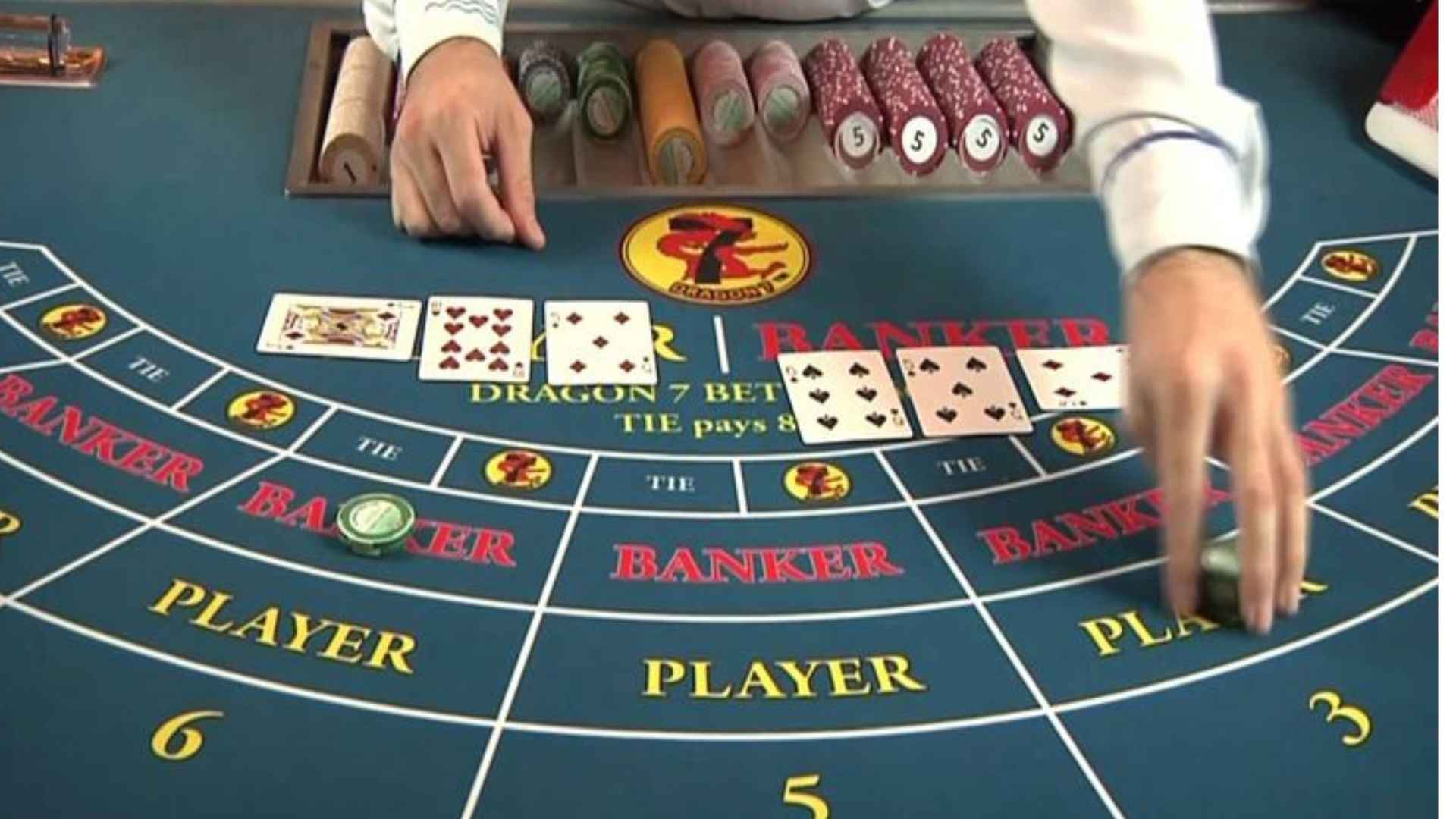
Why Every Student Should Learn Probability
Mathematics education often focuses on deterministic equations where every problem has a single, definitive answer. However, the real world operates largely in shades of uncertainty, making the study of probability a vital life skill for modern youths. By learning how to analyze chance, students gain the tools necessary to navigate complex decisions with confidence.
Enhancing Critical Thinking and Analytical Reasoning
Probability theory forces students to look past surface-level assumptions and evaluate the statistical reality of a situation. This discipline teaches individuals to identify patterns within random events and separate genuine risks from mere coincidences. Developing this analytical mindset is essential for academic success and cognitive growth.
Furthermore, understanding data distributions protects young people from misinformation in an increasingly data-driven society. When students learn to calculate likelihoods, they become much less susceptible to misleading claims and statistical biases. This mathematical foundation ultimately cultivates logical thinkers who question evidence before reaching conclusions.
Navigating Risk and Strategic Decision Making
Everyday life requires constant evaluation of risk, from forecasting weather conditions to planning long-term financial investments. Students equipped with probabilistic thinking can accurately assess potential rewards against their corresponding drawbacks. This skill transforms vague guesswork into calculated strategy, minimizing costly errors in judgment.
Many modern industries and online platforms utilize complex systems built entirely on these foundational concepts of randomness. For those interested in seeing how statistics apply to modern digital entertainment, visiting a recognized portal like Link M88 Mansion can offer an interesting look into probability algorithms in action. Recognizing these underlying structures helps students appreciate the practical value of math outside the classroom.
Bridging Academic Concepts with Real-World Applications
Unlike abstract algebraic equations, probability directly connects to diverse fields such as economics, weather science, and medicine. Students quickly realize that understanding independent and dependent events is useful for predicting market trends or tracking health statistics. This clear relevance boosts classroom engagement and deepens their appreciation for mathematics.
Moreover, mastering these concepts prepares the next generation for lucrative career paths in data analysis and artificial intelligence. Most modern scientific innovations rely heavily on predictive modeling and statistical significance testing. Early exposure to these ideas ensures that learners remain competitive in a rapidly evolving global job market.
Cultivating a Balanced Perspective on Success and Failure
Studying chance helps students accept that final outcomes are not always entirely within their personal control. By understanding randomness, young people learn to distinguish between a poor decision and an unfortunate result. This realization reduces academic anxiety and builds emotional resilience when facing unexpected setbacks.
Ultimately, probabilistic education empowers individuals to focus heavily on the quality of their choices rather than just the immediate outcomes. It teaches them that consistent, well-calibrated strategies yield the best results over a long period. Introducing this perspective early prepares students to handle the inherent uncertainties of adult life with grace.