what does 3 way mean in betting Understanding Three Way Betting Markets
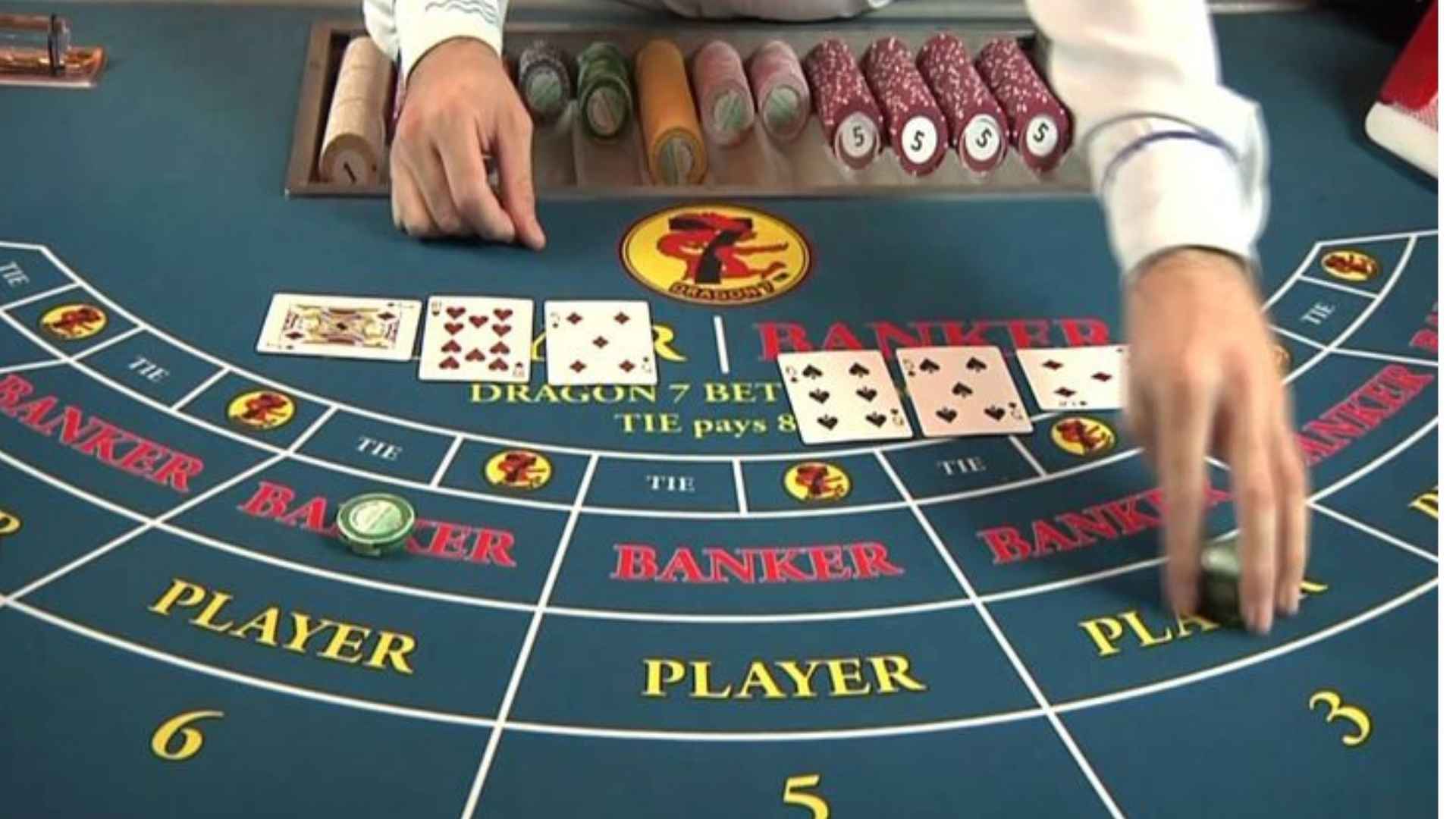
Navigating sports wagering options requires understanding how different market structures affect your potential outcomes. A three-way betting market is one of the most common wagering formats found in sports where regulation time can end without a winner. Knowing how these options work allows sports enthusiasts to evaluate risk effectively before placing a ticket.
The Fundamental Concept of Three-Way Moneyline Markets
In standard two-way betting, players select between Team A or Team B to win the contest. A three-way betting line introduces a third outcome into the mix, which is a draw or tie at the end of regulation play. This means your selected wager must happen within standard play time without including extra periods or overtime unless specified.
Because three potential results exist, oddsmakers generally offer higher payouts on individual selections compared to two-way markets. However, the probability of hitting a specific outcome decreases since a tie will result in a losing ticket if you backed either team to win outright.
Sports That Frequently Feature Three-Way Lines
Soccer is the premier sport for three-way wagering, as regular-season matches routinely end in draws after ninety minutes. Hockey also heavily utilizes this format for regulation-only wagers, known as 60-minute line betting. Even sports like basketball occasionally feature three-way options for half-time or regulation markets despite rare ties overall.
Understanding which sports utilize these structures helps bettors avoid common misunderstandings regarding overtime rules. Exploring global sportsbooks like m88 msports login can offer valuable insights into how international bookmakers price regulation draws across different leagues.
Comparing Three-Way Wagers to Draw No Bet Options
Many beginners confuse three-way lines with alternative options like Draw No Bet. In a Draw No Bet market, the tie option is removed completely, and a draw result simply refunding your initial stake. This creates a safer environment for players, though it yields lower overall odds compared to a standard three-way market.
Choosing between these two approaches depends entirely on your overall confidence and tolerance for risk. If you suspect a match will be tightly contested, backing a team in a three-way market offers a higher return to offset the risk of a draw ruining the bet.
Strategic Tips for Navigating Three-Way Odds
Analyzing historical head-to-head statistics and team tendencies is crucial when evaluating three-way options. Certain defensive teams regularly play to low-scoring draws, making the draw option an attractive standalone choice for strategic bettors. Comparing home and away forms also helps clarify whether a clear winner is likely during regulation play.
Managing your bankroll responsibly and calculating implied probability ensures long-term consistency in complex markets. By carefully evaluating regulation dynamics, bettors can make well-informed decisions across various sporting events worldwide.